AgentMore · Designing and Prototyping a Desktop Pet Assistant
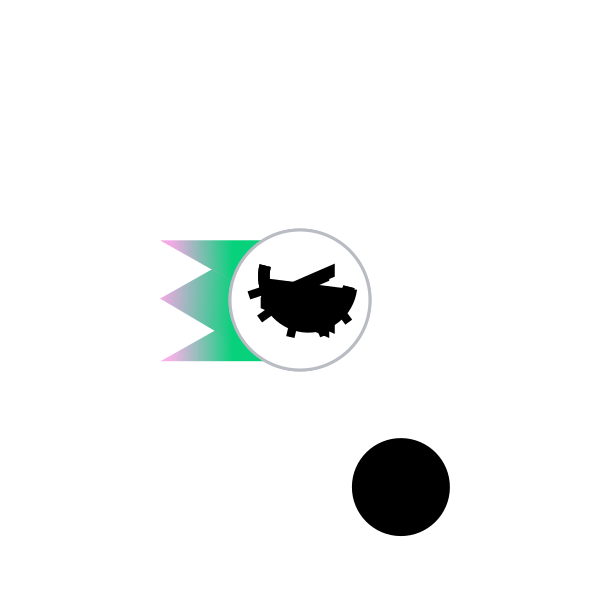





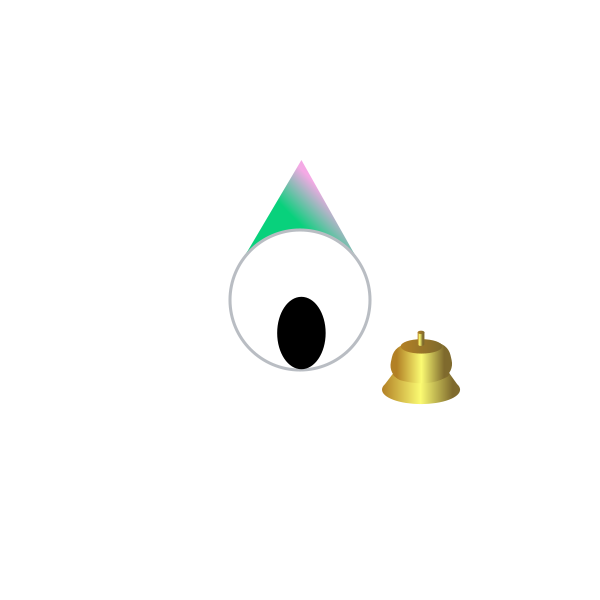
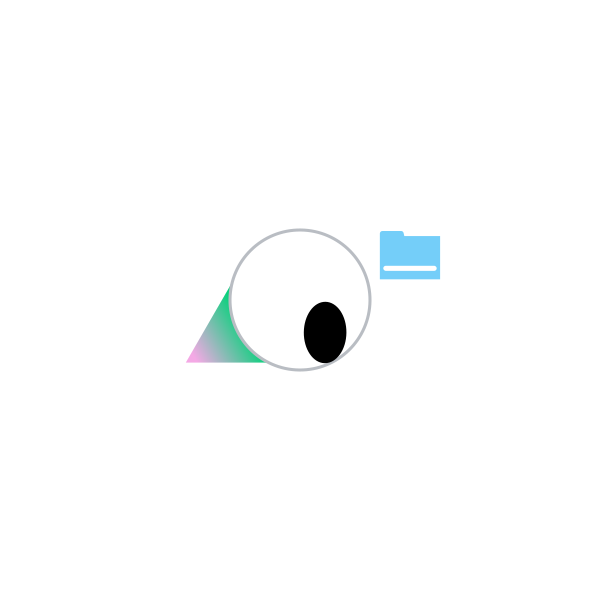
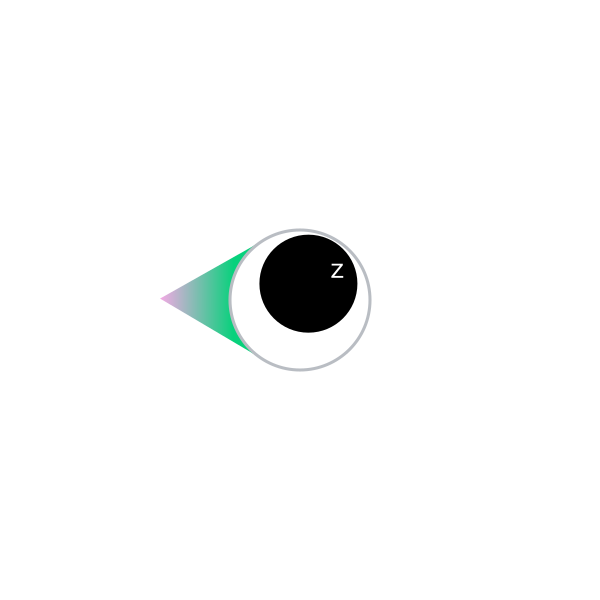

Agent Pet 的设计初衷,是一次对“人机关系如何被具象化”的探索:当 AI 不再只存在于对话框中,它可以如何以状态、动作、情绪和任务反馈的形式,成为桌面上的实时助手与共创者?
项目延续了 agent more 前期品牌设计中的核心概念:生长不是无序的,而是逐步被结构化。视觉语言从感性的有机隐喻出发,逐渐转译为理性的系统结构,在自然生长与智能计算之间建立联系。
The design intention behind Agent Pet is to explore how human-machine relationships can be made tangible: when AI no longer exists only inside a chat box, how can it become a real-time desktop assistant and co-creator through states, actions, emotions, and task feedback?
The project extends the core concept from the earlier brand design of agent more: growth is not disorderly, but gradually structured. Its visual language begins with an emotional organic metaphor and is progressively translated into a rational system, creating a connection between natural growth and intelligent computation.

在调研阶段,我观察了小红书、X、Reddit 以及多个开源桌宠与桌面 AI 助手项目。现有桌宠的优势主要集中在个性化、情绪陪伴与轻量互动上。用户愿意为自己喜欢的角色、IP 复刻、自定义皮肤和陪伴感投入时间,因为这类产品能够提供情绪价值,也能让 AI 以更亲近的方式进入日常工作流。
但同时,现有桌宠也存在明显问题:视觉风格有限,玩法相似度高,功能深度不足,容易停留在“可爱但无用”的阶段。一些产品虽然具备 AI 能力,但更多只是把模型入口放在桌面上,缺少对任务状态、行动过程和智能行为的清晰表达。
这让我意识到,AI 桌宠的机会并不只是“更像宠物”,而是成为 AI Agent 的外部表现:它可以展示状态、承接轻量任务、理解用户行为,并通过可见的动作反馈让智能系统的运行过程变得更直观。
During the research phase, I studied Xiaohongshu, X, Reddit, and several open-source desktop pet and AI assistant projects. I found that desktop pets mainly create value through personalization, emotional companionship, and lightweight interaction, making AI feel more approachable in daily workflows.
However, many products still have clear limitations: narrow visual styles, repetitive interactions, and shallow functionality. They are often “cute but not truly useful,” and even AI-enabled versions usually act only as desktop entry points rather than showing task status, action processes, or intelligent behavior.
This led me to see a stronger opportunity: AI desktop pets should become external expressions of AI Agents, using animated feedback to visualize status, support lightweight tasks, understand user behavior, and make intelligent systems feel more visible and intuitive.
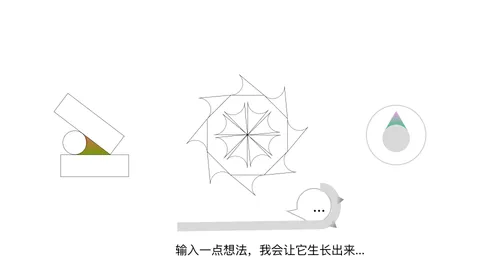
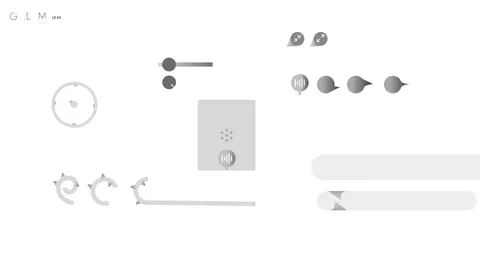
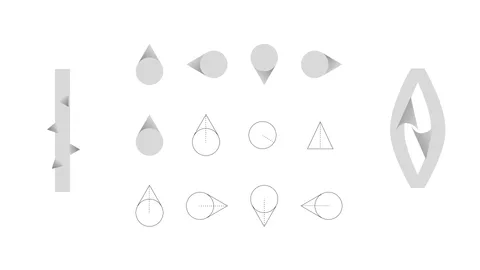
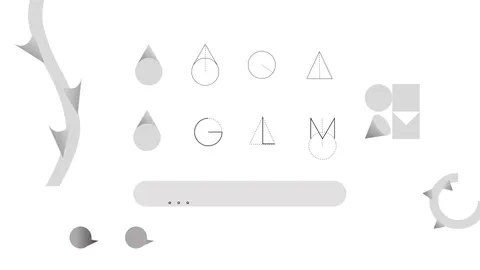
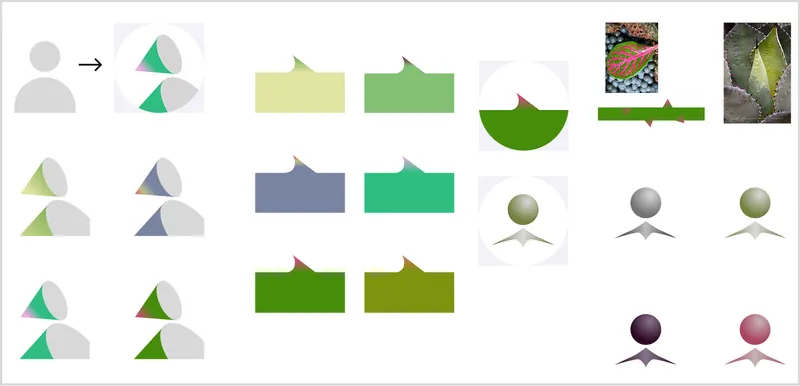
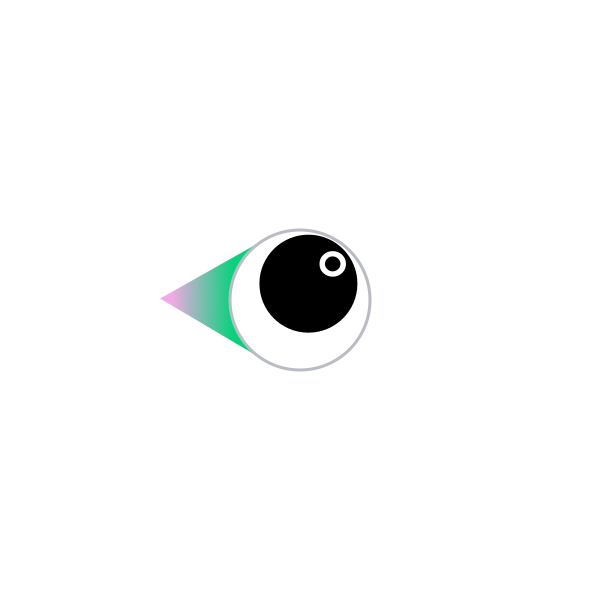
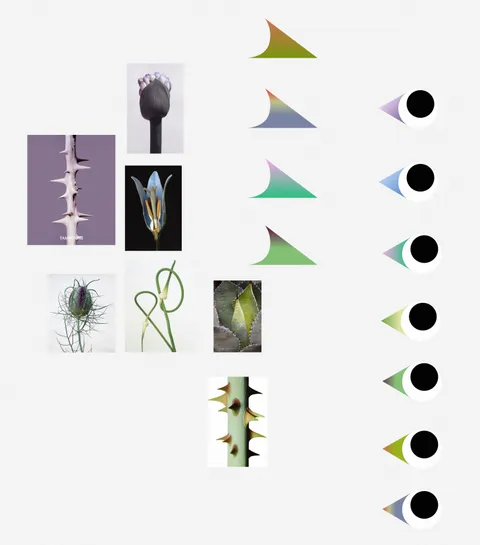
视觉上,我将自然生长的形态逐步抽象为几何化结构。藤蔓的路径感、荆棘的边界感和圆锥的收敛感被统一到角色造型与动效语言中,使桌宠既保留有机生命感,又具有系统化、计算化的秩序。
这种视觉语言回应了项目最初的核心命题:智能并不是无限扩张的混沌生命体,而是在资源、边界与目标之间不断组织自身的结构化系统。
Visually, I gradually abstracted natural growth forms into geometric structures. The path-like quality of vines, the boundary-setting nature of thorns, and the converging form of cones were integrated into the character design and motion language, allowing the desktop pet to retain an organic sense of life while also expressing a systematic, computational order.
This visual language responds to the project’s core idea: intelligence is not a chaotic lifeform that expands endlessly, but a structured system that continuously organizes itself between resources, boundaries, and goals.
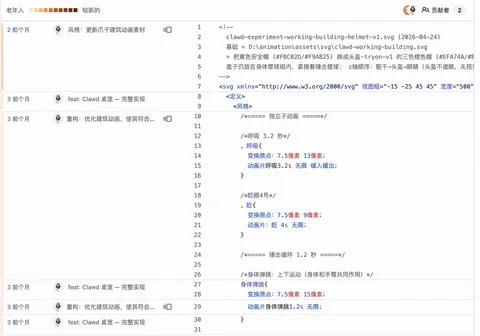
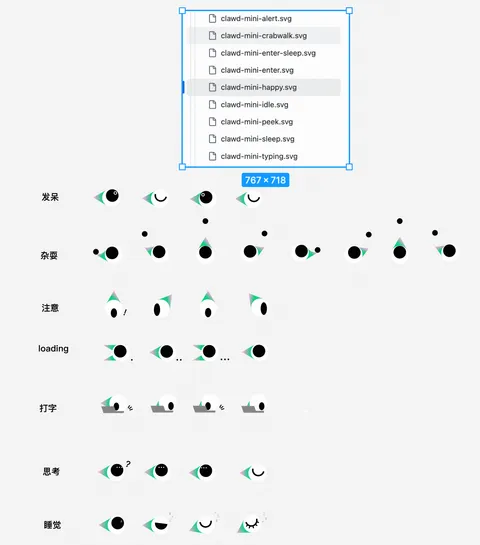
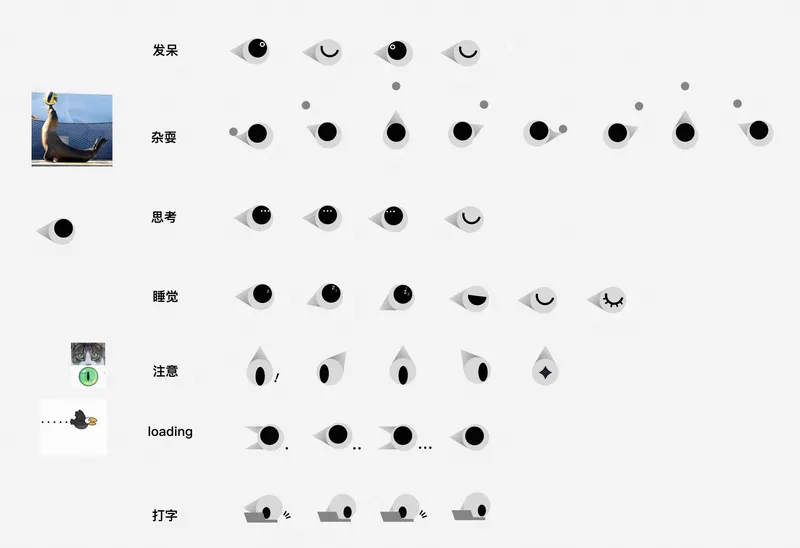
参考开源项目 clawd-on-desk 的主题结构,以 SVG keyframe 的方式构建桌宠资产。首先在 Figma 中完成角色帧设计,并整理每一帧的命名、层级与颜色关系,再将图形转译为可复用的 SVG 代码。
I referenced the theme structure of the open-source project clawd-on-desk and built the desktop pet assets using SVG keyframes. I first designed the character frames in Figma, organizing the naming, layer structure, and color relationships for each frame, then translated the graphics into reusable SVG code.
*Behavior Across AI Coding Tools*在不同 AI Coding Tools 下的表现
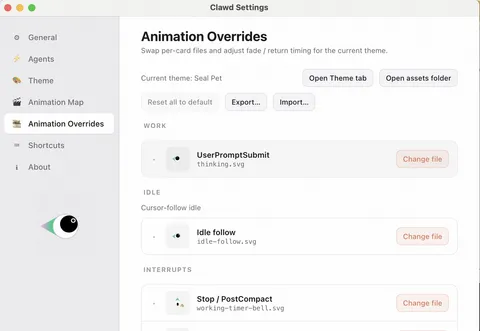
在动效阶段,我根据不同状态设置 animation overrides,包括常驻状态与瞬时触发状态。例如空闲、思考、工作、提醒、被拖拽、完成任务等动作,都需要分别定义持续时间、循环方式、关键帧比例和过渡节奏。相比静态造型,动效部分更依赖反复调整,需要在自然、流畅和功能识别之间取得平衡。
In the motion design stage, I created animation overrides for different states, including both persistent states and momentary triggers. Actions such as idle, thinking, working, reminders, being dragged, and task completion each required separate definitions for duration, loop behavior, keyframe timing, and transition rhythm. Compared with static character design, the motion system required more iteration, balancing natural movement, smoothness, and functional clarity.
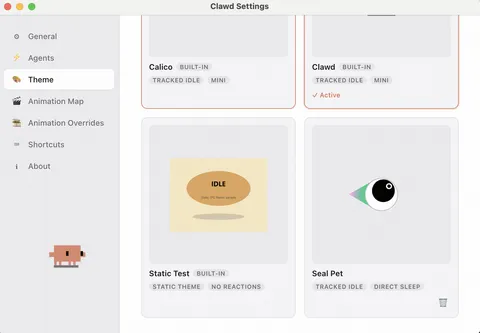
最后,将完成的 SVG 资产加入 Electron 桌宠程序的主题系统中,通过本地运行、主题切换和状态触发进行测试,确保角色能在真实桌面环境中正常显示和响应。
Finally, I integrated the completed SVG assets into the theme system of the Electron desktop pet application. I tested them through local runtime checks, theme switching, and state triggers to ensure the character could display and respond properly in a real desktop environment.